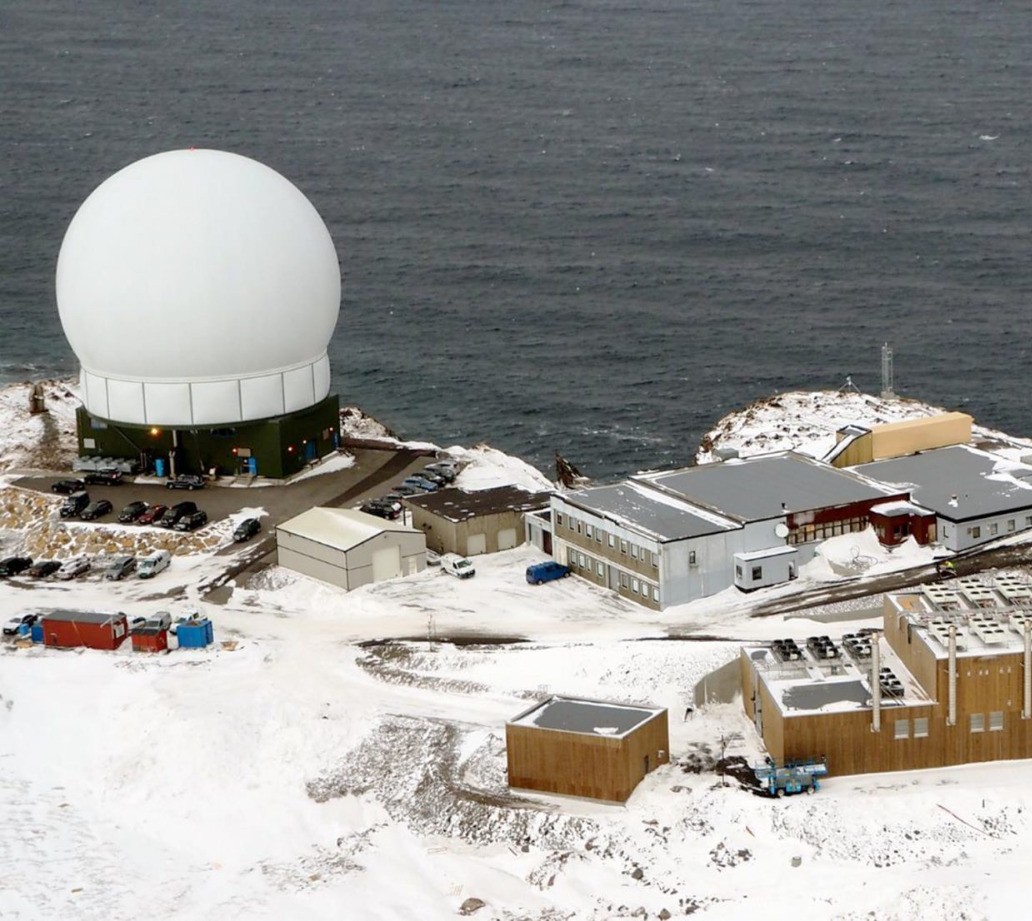
Vardø was never meant to be noticed. It sat at the edge of the world, listening more than speaking, tracking patterns no one else had the patience to observe. The systems there didn’t predict anything, they simply recorded, weighed, and passed things along. For years, it worked quietly, assigning meaning to events that looked identical to the untrained eye. When the rest of the network failed, Vardø didn’t shut down. It kept receiving signals long after there was no one left to interpret them. Some say it still does, continuing to measure importance in a world that no longer responds.
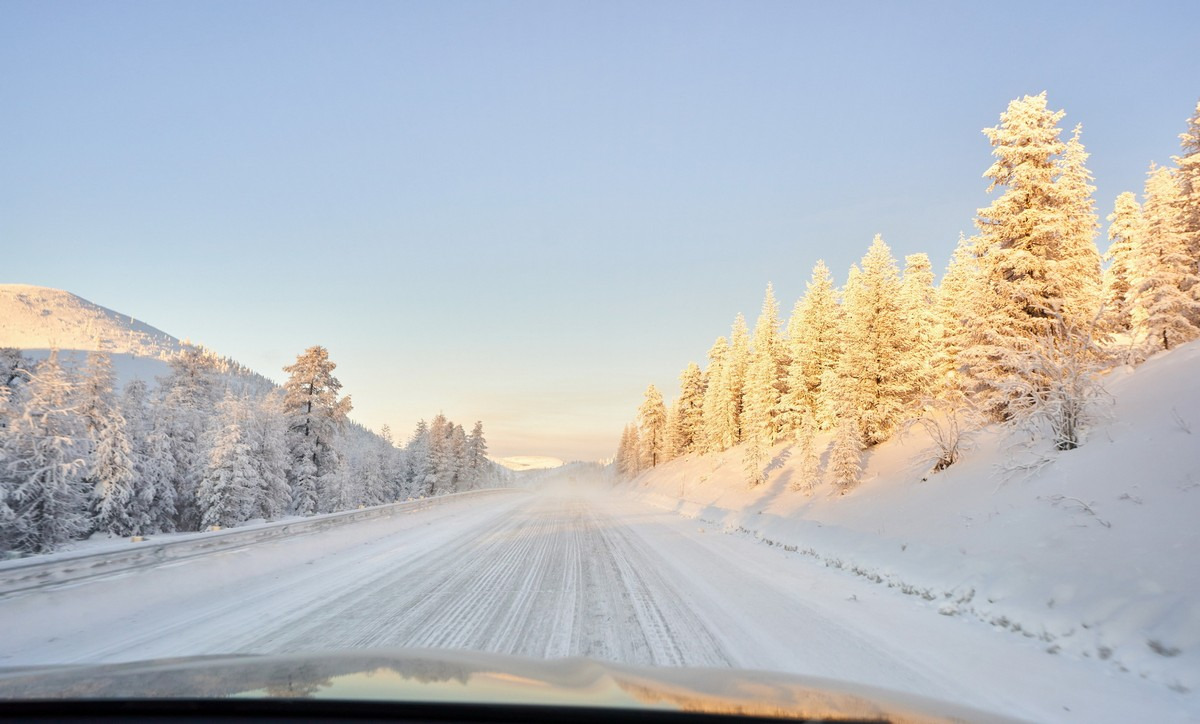
Kolyma was always a place people passed through, not somewhere they stayed. The roads cut through frozen ground that shifted beneath them, connecting settlements that depended on movement more than stability. In its final years, it became a testing ground for systems that could navigate without human presence. Vehicles moved, observed, and recorded everything around them, building a memory of a world that still functioned. Now the roads are buried, the structures partially visible, and the routes no longer lead anywhere. But the recordings remain, fragments of a landscape that could once be understood in full.
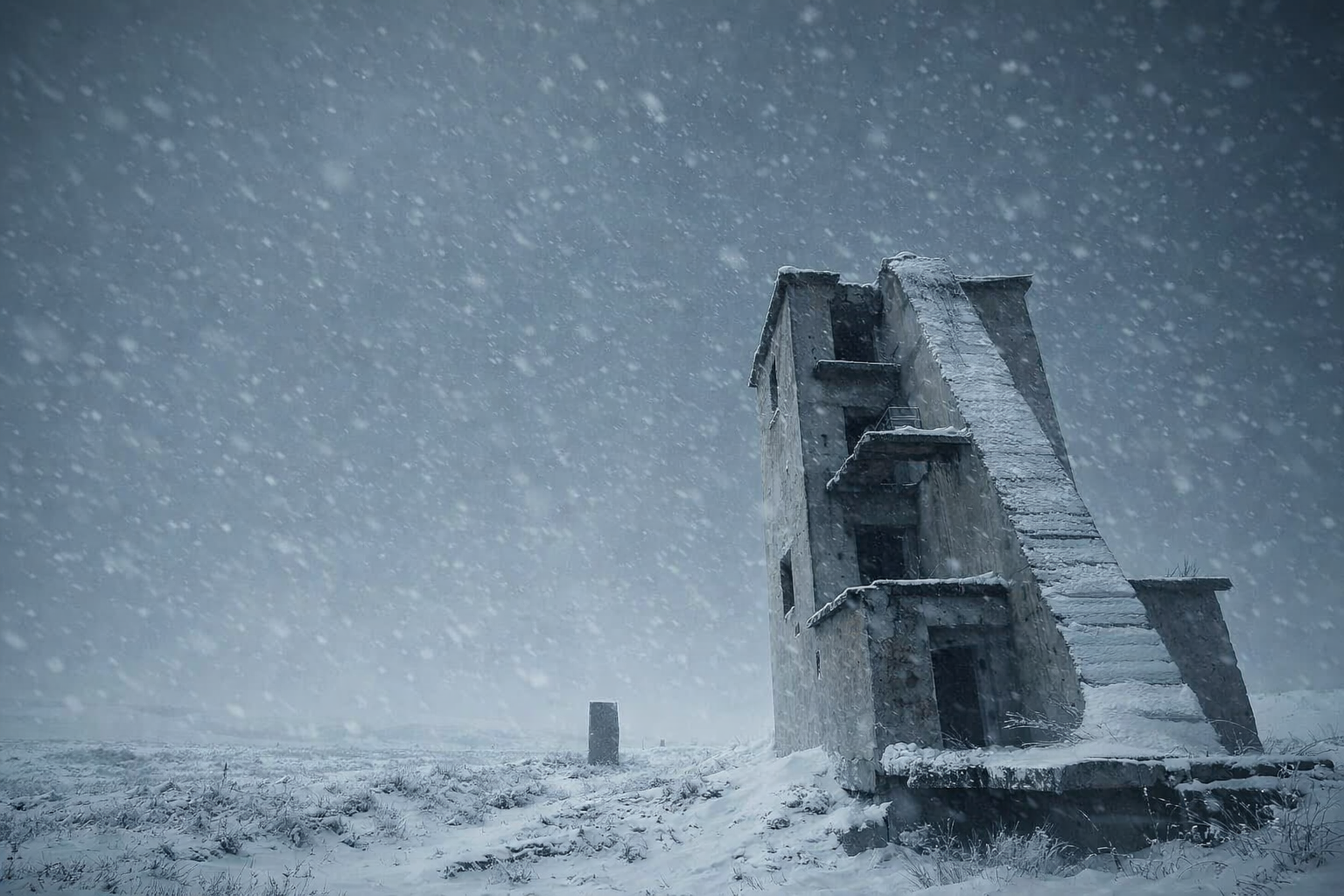
The archive was not designed to last. It was meant to be part of a system, one that stored, updated, and eventually discarded records as patients moved through it. When that system disappeared, the archive remained, sealed and untouched. Inside are histories written without the expectation of permanence: diagnoses, treatments, observations, all recorded as part of routine care. Some entries are precise. Others contradict themselves. Time moves forward, then back, then forward again. There is no single narrative, only fragments that overlap and diverge. What remains is not a record of medicine, but of lives that were never meant to be reconstructed this way.
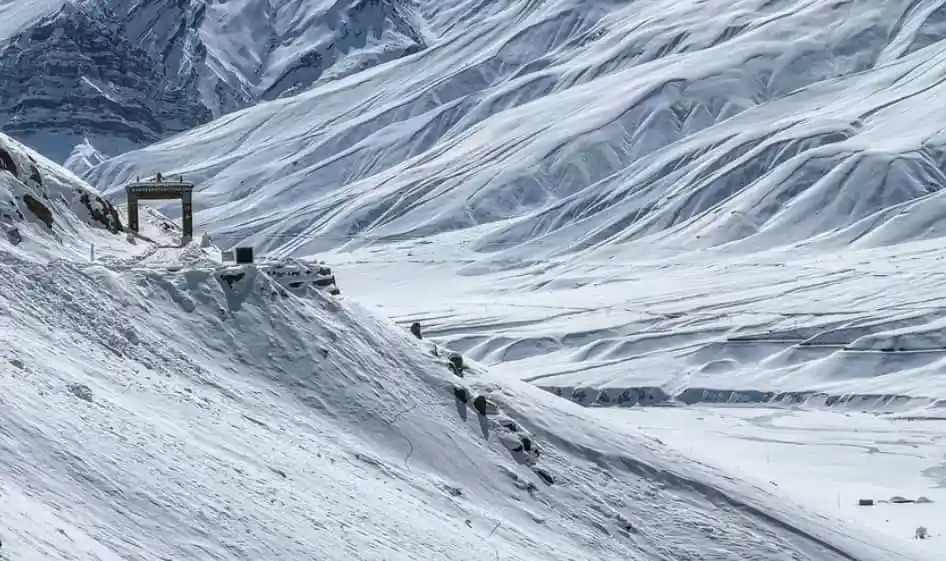
Spiti was always defined by its limits. The land allowed habitation, but only under strict conditions, i.e., timing, supply, and weather had to align. When those conditions stopped holding, the settlements emptied faster than they had been built. What remains is a landscape that looks unchanged at a distance, but no longer supports what once existed within it. Structures stand, but not for use. Paths remain, but lead nowhere. The environment hasn’t grown harsher; it has simply stopped forgiving mistakes. Movement through this region is still possible, but only for things that do not depend on return.